Location:Home > Organic Chemicals
Product
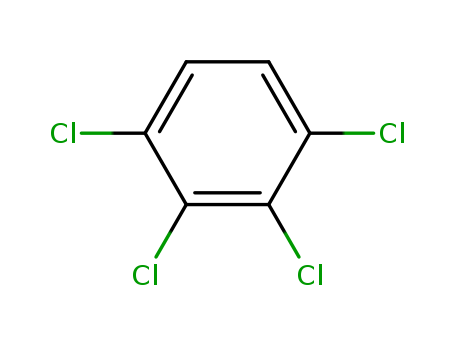
Factory supply good quality 1,2,3,4-Tetrachlorobenzene 634-66-2 with stock
- Molecular Formula:C6H2 Cl4
- Molecular Weight:215.894
- Appearance/Colour:WHITE CRYSTALLINE SOLID
- Vapor Pressure:0.0363mmHg at 25°C
- Melting Point:44 °C
- Refractive Index:1.5348 (estimate)
- Boiling Point:252 °C at 760 mmHg
- Flash Point:111.9 °C
- PSA:0.00000
- Density:1.573 g/cm3
- LogP:4.30020
1,2,3,4-Tetrachlorobenzene(Cas 634-66-2) Usage
|
Air & Water Reactions |
Insoluble in water. |
|
Reactivity Profile |
Simple aromatic halogenated organic compounds, such as 1,2,3,4-Tetrachlorobenzene, are very unreactive. Reactivity generally decreases with increased degree of substitution of halogen for hydrogen atoms. Materials in this group may be incompatible with strong oxidizing and reducing agents. Also, they may be incompatible with many amines, nitrides, azo/diazo compounds, alkali metals, and epoxides. |
|
Health Hazard |
ACUTE/CHRONIC HAZARDS: 1,2,3,4-Tetrachlorobenzene may cause irritation of the skin. |
|
Fire Hazard |
1,2,3,4-Tetrachlorobenzene is probably combustible. |
|
Safety Profile |
Moderately toxic by ingestion. An experimental teratogen. Experimental reproductive effects. Irritant. Combustible liquid. When heated to decomposition it emits toxic fumes of Cl-. See also CHLORINATED HYDROCARBONS, AROMATIC. |
|
Environmental fate |
Biological. A mixed culture of soil bacteria or a Pseudomonas sp. transformed 1,2,3,4- tetrachlorobenzene to 2,3,4,5-tetrachlorophenol (Ballschiter and Scholz, 1980). After incubation in sewage sludge for 32 d under anaerobic conditions, 1,2,3,4-tetrachlorobenzene did not biodegrade (Kirk et al., 1989). The half-life of 1,2,3,4-tetrachlorobenzene in an anaerobic enrichment culture was 26.4 h (Beurskens et al., 1993). Potrawfke et al. (1998) reported that a pure culture of Pseudomonas chlororaphis RW71 mineralized 1,2,3,4-tetrachlorobenzene as a sole source of carbon and energy. Intermediate biodegradation products identified were tetrachlorocatechol, tetrachloromuconic acid, 2,3,5-trichlorodienelactone, 2,3,5-trichloro-4-hydroxymuconic acid. In an enrichment culture derived from a contaminated site in Bayou d’Inde, LA, 1,2,4,5- tetrachlorobenzene underwent reductive dechlorination yielding 1,2,4-trichlorobenzene. The maximum dechlorination rate, based on the recommended Michaelis-Menten model, was 208 nM/d (Pavlostathis and Prytula, 2000). Photolytic. Irradiation (λ ≥285 nm) of 1,2,3,4-tetrachlorobenzene (1.1–1.2 mM/L) in an acetonitrile-water mixture containing acetone (0.553 mM/L) as a sensitizer gave the following products (% yield): 1,2,3-trichlorobenzene (9.2), 1,2,4-trichlorobenzene (32.6), 1,3-dichlorobenzene (5.2), 1,4-dichlorobenzene (1.5), 2,2′,3,3′,4,4′,5-heptachlorobiphenyl (2.52), 2,2′,3,3′,4,5,6′- heptachlorobiphenyl (1.22), 10 hexachlorobiphenyls (3.50), five pentachlorobiphenyls (0.87), dichlorophenyl cyanide, two trichloroacetophenones, trichlorocyanophenol, (trichlorophenyl) acetonitriles, and 1-(trichlorophenyl)-2-propanone (Choudhry and Hutzinger, 1984). Without acetone, the identified photolysis products (% yield) included 1,2,3-trichlorobenzene (7.8), 1,2,4- trichlorobenzene (26.8), 1,2-dichlorobenzene (0.5), 1,3-dichlorobenzene (0.7), 1,4-dichloro-benzene (30.4), 1,2,3,5-tetrachlorobenzene (2.26), 1,2,4,5-tetrachlorobenzene (0.72), 2,2′,3,3′,4,4′,5- heptachlorobiphenyl (<0.01), and 2,2′,3,3′,4,5,6′-heptachlorobiphenyl (<0.01) (Choudhry and Hutzinger, 1984). The sunlight irradiation of 1,2,3,4-tetrachlorobenzene (20 g) in a 100-mL borosilicate glass-stoppered Erlenmeyer flask for 56 d yielded 4,280 ppm heptachlorobiphenyl (Uyeta et al., 1976). |
|
Solubility in water |
Soluble in acetic acid, ether, ligroin (Weast, 1986), and very soluble in many chlorinated solvents including chloroform, carbon tetrachloride, etc. |
|
Purification Methods |
Crystallise it from EtOH. [Beilstein 5 H 204, 5 II 156, 5 III 550, 5 IV 667.] |
|
Definition |
ChEBI: A tetrachlorobenzene carrying chloro groups at positions 1, 2 , 3 and 4. |
InChI:InChI=1/C6H2Cl4/c7-3-1-4(8)6(10)5(9)2-3/h1-2H
634-66-2 Relevant articles
Photoisomerisation of bicyclo[4.2.0]octadienes to tricyclo[4.2.0.02,5] octenes: Application to the synthesis of [n]ladderanes
Warrener,Pitt,Nunn,Kennard
, p. 621 - 624 (1994)
A new approach for the extension of [n]l...
Photochemistry of Polyhaloarenes. 7. Photodechlorination of Pentachlorobenzene in the Presence of Sodium Borohydride
Freeman, Peter K.,Ramnath, N.
, p. 148 - 152 (1988)
The mechanism of photodechlorination of ...
Preparation method for 3,5,-dichloro-2,4,-difluoroaniline
-
, (2017/03/08)
The invention relates to the field of or...
Formation and destruction of chlorinated pollutants during sewage sludge incineration
Fullana, Andres,Conesa, Juan A.,Font, Rafael,Sidhu, Sukh
, p. 2953 - 2958 (2007/10/03)
The limitations facing land filling and ...
Identification of surrogate compounds for the emission of PCDD/F (I-TEQ value) and evaluation of their on-line realtime detectability in flue gases of waste incineration plants by REMPI-TOFMS mass spectrometry
Blumenstock,Zimmermann,Schramm,Kettrup
, p. 507 - 518 (2007/10/03)
Correlations between products of incompl...
Reactions of 2,4,6-trichlorophenol on model fly ash: Oxidation to CO and CO2, condensation to PCDD/F and conversion into related compounds
Hell,Stieglitz,Altwicker,Addink,Will
, p. 697 - 702 (2007/10/03)
Thermal treatment of 2,4,6-trichlorophen...
634-66-2 Process route
-
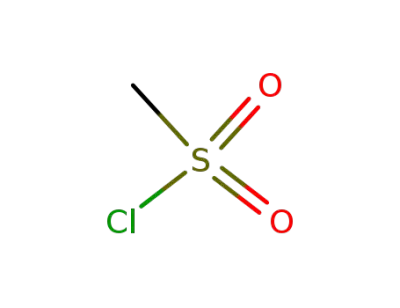
-
124-63-0
methanesulfonyl chloride

-
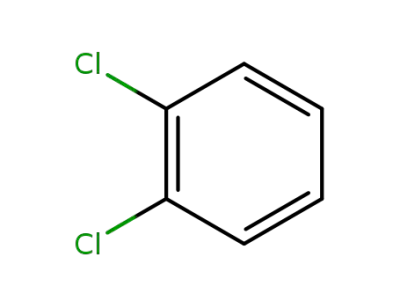
-
95-50-1
1,2-dichloro-benzene

-
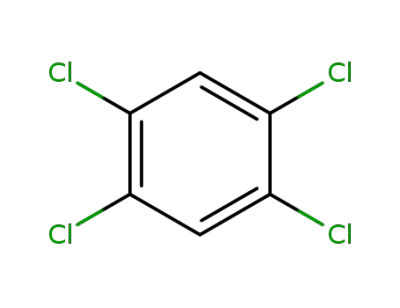
-
95-94-3
1,2,4,5-tetrachlorobenzene
-
-
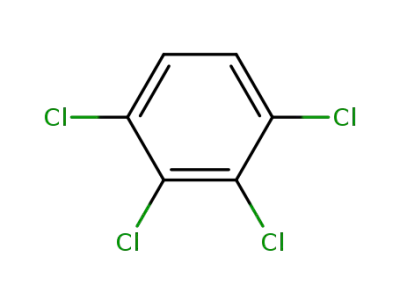
634-66-2
1,2,3,4,-tetrachlorobenzene
-
-
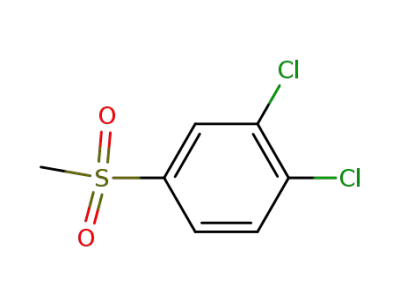
38452-47-0
methyl-(3,4-dichlorophenyl)sulphone
-
-
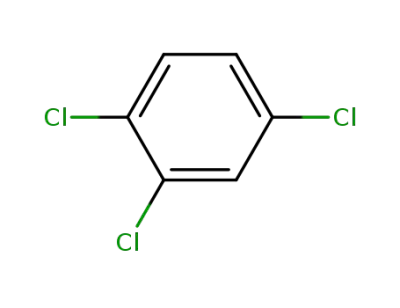
120-82-1,63697-18-7
1,2,4-Trichlorobenzene
| Conditions | Yield |
|---|---|
|
With
antimony pentafluoride;
at 0 ℃;
for 0.5h;
Further byproducts given;
|
-
municipal waste
-
municipal waste
-
-
95-94-3
1,2,4,5-tetrachlorobenzene
-
-
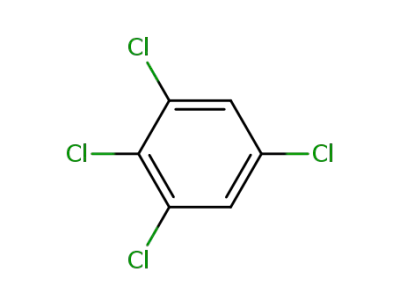
634-90-2
1,2,3,5-tetrachlorobenzene
-
-
634-66-2
1,2,3,4,-tetrachlorobenzene
-
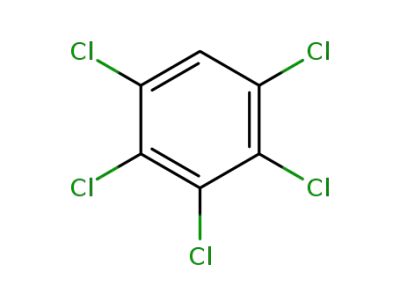
-
608-93-5
pentachlorobenzene
| Conditions | Yield |
|---|---|
|
With
oxygen;
at 350 ℃;
Further byproducts given. Title compound not separated from byproducts;
Formation of xenobiotics;
|
634-66-2 Upstream products
-
634-67-3
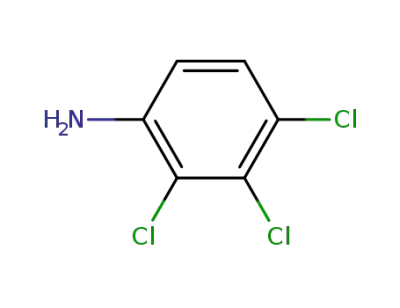
2,3,4-trichloroaniline
-
1890-41-1
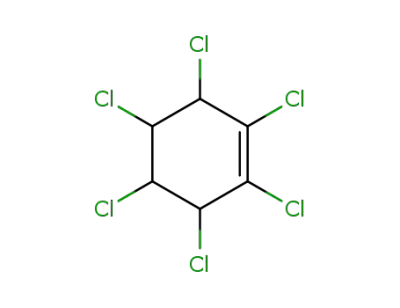
optically inactive 1,2,3,4,5,6-hexachloro-cyclohexene
-
117-08-8
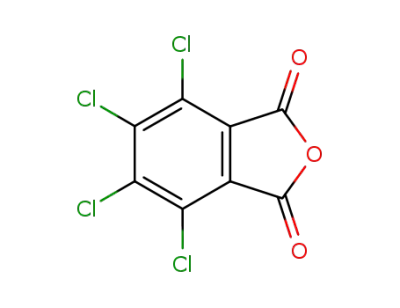
tetrachlorophthalic anhydride
-
15944-74-8
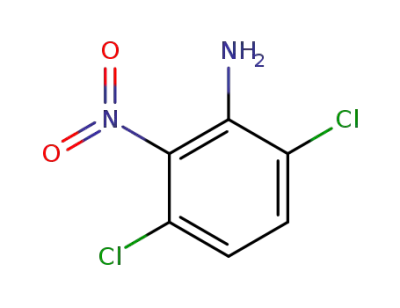
3,6-dichloro-2-nitro-aniline
634-66-2 Downstream products
-
933-75-5
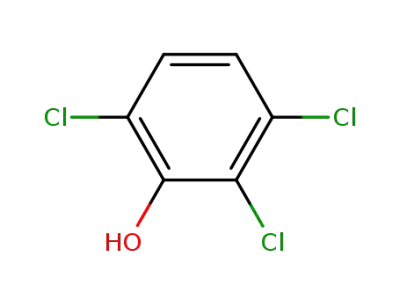
2,3,6-trichlorophenol
-
54135-80-7
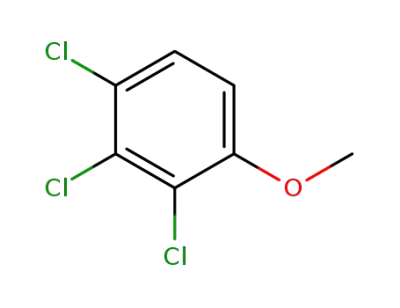
1,2,3-trichloro-4-methoxybenzene
-
879-39-0
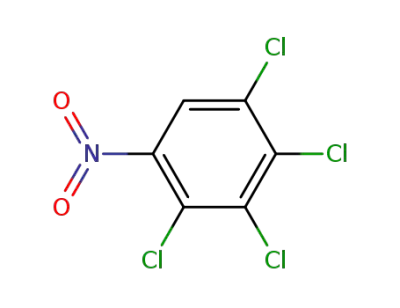
2,3,4,5-tetrachloronitrobenzene
-
13074-97-0
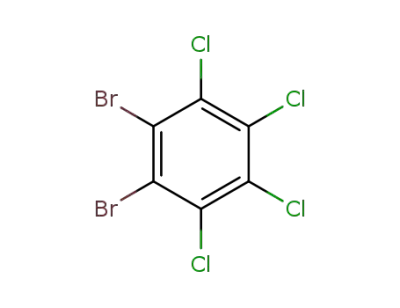
1,2-dibromo-3,4,5,6-tetrachloro-benzene